Since the announcement about Local Government Reorganisation there's been a lot of discussion about Blackpool Council's debt.
Much of that discussion has lacked context.
Debt isn't automatically a bad thing. Most people borrow to buy a home or invest in their future. Businesses borrow to grow. Councils do exactly the same.
The important question isn't whether you have debt. It's what you've done with it.
Blackpool Council has chosen to invest.
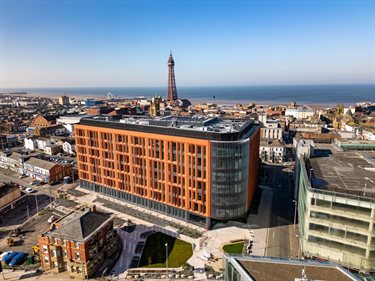
We've invested in regenerating our town centre through Talbot Gateway, creating thousands of jobs, attracting major employers like the DWP, MoD, the NHS and Blackpool and The Fylde College, plus new quality hotels such as Holiday Inn. That has transformed an area that had been neglected for decades. Most of those buildings are now council-owned assets, increasing in value and generating rental income that helps repay the borrowing.
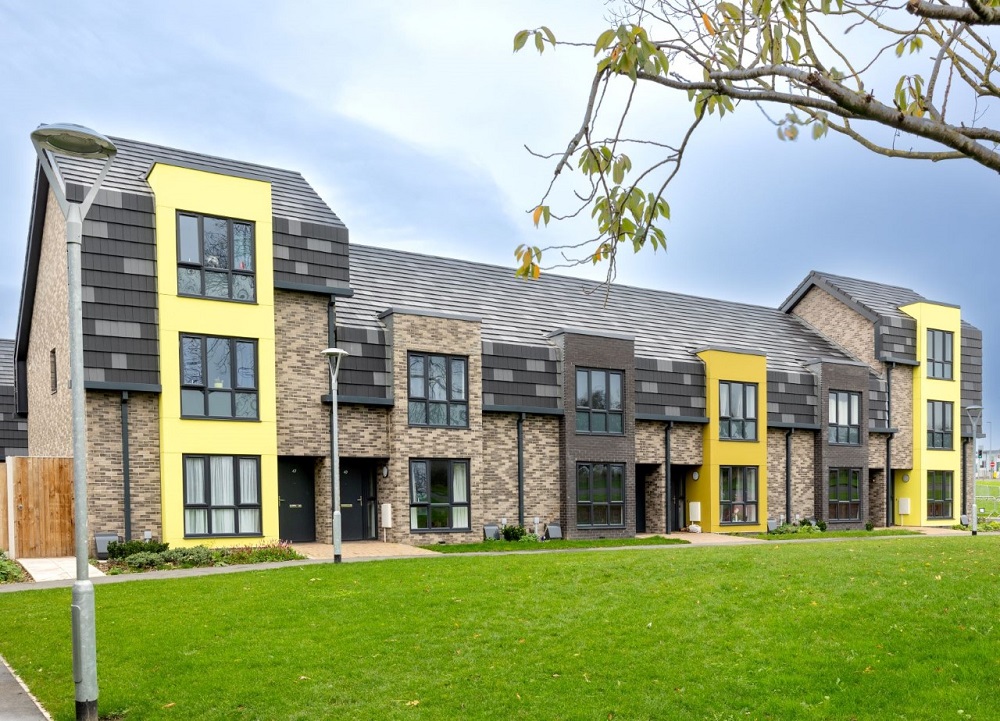
We've invested in improving housing through building over 400 new council houses since 2014 and improving over 5,000 council houses with new kitchens and bathrooms.
We’ve also created our wholly owned housing company to buy poor-quality homes, renovate them and provide more than 750 quality homes for local people. Those homes are assets too, while the rental income supports repayment of the original investment.
We’ve invested in the visitor economy that was struggling fifteen years ago and continues to improve since, with the benefit felt across the wider Fylde Coast. We bought The Blackpool Tower and Winter Gardens, and invested in making them quality assets that everybody on the Fylde coasts uses and can be proud of, so that tourists’ money goes back into our local economy, as well as supporting tens of thousands of local jobs.
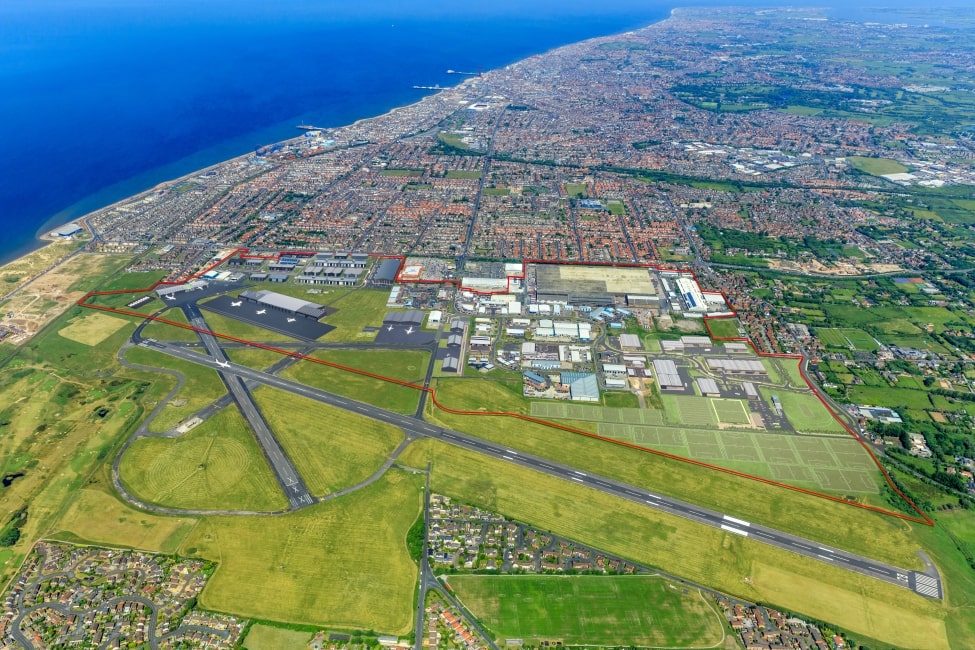
We've invested in the Enterprise Zone, helping create more than 2,500 jobs, supporting businesses to grow and strengthening the economy across the whole Fylde Coast. That investment benefits residents far beyond Blackpool's boundaries.
These weren't reckless decisions. They were backed by robust business cases and made because standing still was never an option.
Blackpool has never had the luxury of standing still.
We face some of the highest levels of deprivation in the country, significant health inequalities and some of the most complex social challenges anywhere in England. Doing nothing was never going to improve lives, create opportunity or give our young people the future they deserve.
We could have chosen not to borrow, not to regenerate our town, not to improve housing and not to invest in jobs. We might have ended up with a healthier balance sheet, but we'd also have had fewer opportunities, lower economic growth and more families left behind.
The reality is that Blackpool also carries responsibilities many district councils simply don't.
As a unitary authority we fund social care for adults and children, support vulnerable families, provide SEND transport, protect public health and deliver many other vital services that district councils have never had responsibility for. Those services are significantly underfunded nationally, yet our residents rely on them every single day.
Our children’s services are underfunded, but they are also outstanding and give children in Blackpool the best start in life.
It's also worth remembering that Blackpool's borrowing is backed by assets. In fact, the value of our assets is around twice the level of our debt.
And while there has been conversation about Blackpool's borrowing, that doesn’t mention the fact that residents in Fylde and Wyre already contribute towards the significantly larger debt held by Lancashire County Council. That's not a criticism of Lancashire it's simply the reality for upper-tier authorities that deliver major public services.
As conversations continue around local government reorganisation, let's have an honest debate based on facts rather than headlines.
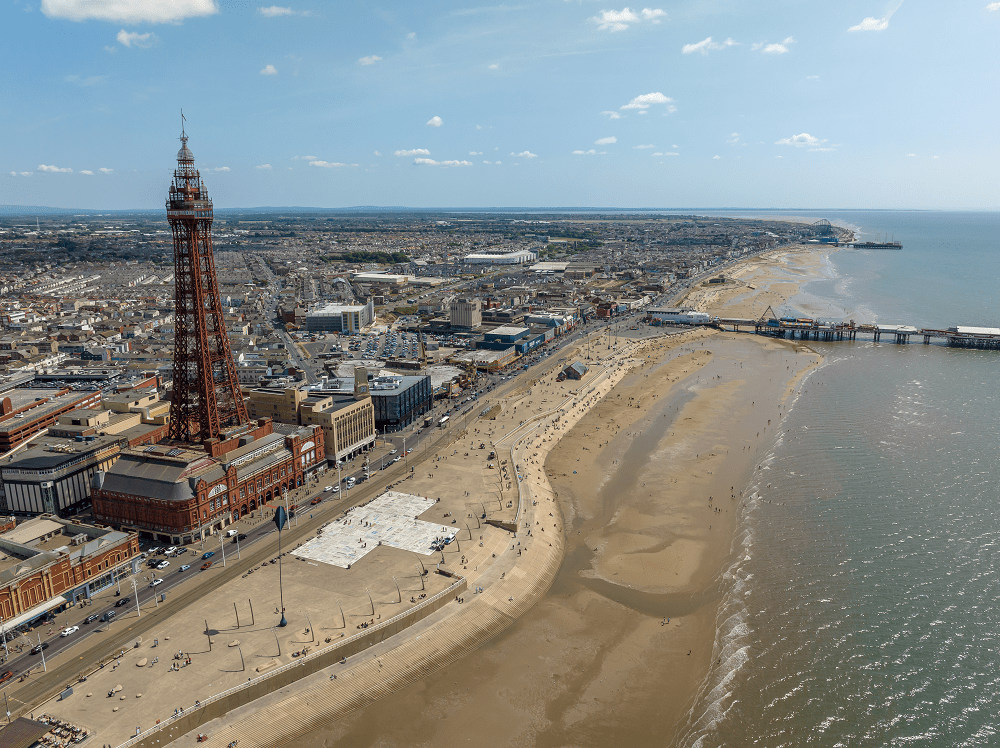
Blackpool is the economic heart of the Fylde Coast. Millions of visitors come here every year, supporting businesses, jobs and prosperity well beyond our boundaries. The Fylde coast grew around Blackpool’s success in the 1800s and to this day hotels, restaurants, suppliers and businesses across the Fylde Coast benefit from the success of Blackpool and the investment we have made in our visitor economy.
It is easy to compare balance sheets without comparing responsibilities.
The truth is that Blackpool has chosen to tackle the difficult issues rather than simply manage decline. We've invested in regeneration, jobs, housing, tourism and public services because our residents deserve opportunity.
Having money sitting in the bank doesn't regenerate a town. It doesn't create jobs. It doesn't improve housing. It doesn't give a young person hope for their future.
Investment does.
I'm proud that Blackpool has had the courage to invest in its people, its economy and its future. I make no apology for that.
As local government reorganisation progresses, I hope we can move beyond simplistic comparisons and recognise the different circumstances different councils face and use the resources available to improve the lives of the people we serve.
That is exactly what Blackpool has done.